
Sudanese culture is rich in customs and traditions. From everyday meals to formal socializing, such as a wedding, the Sudanese people have strong traditional values. The dress code is generally formal and conservative for both genders at all times. It is very important to look clean and fresh.
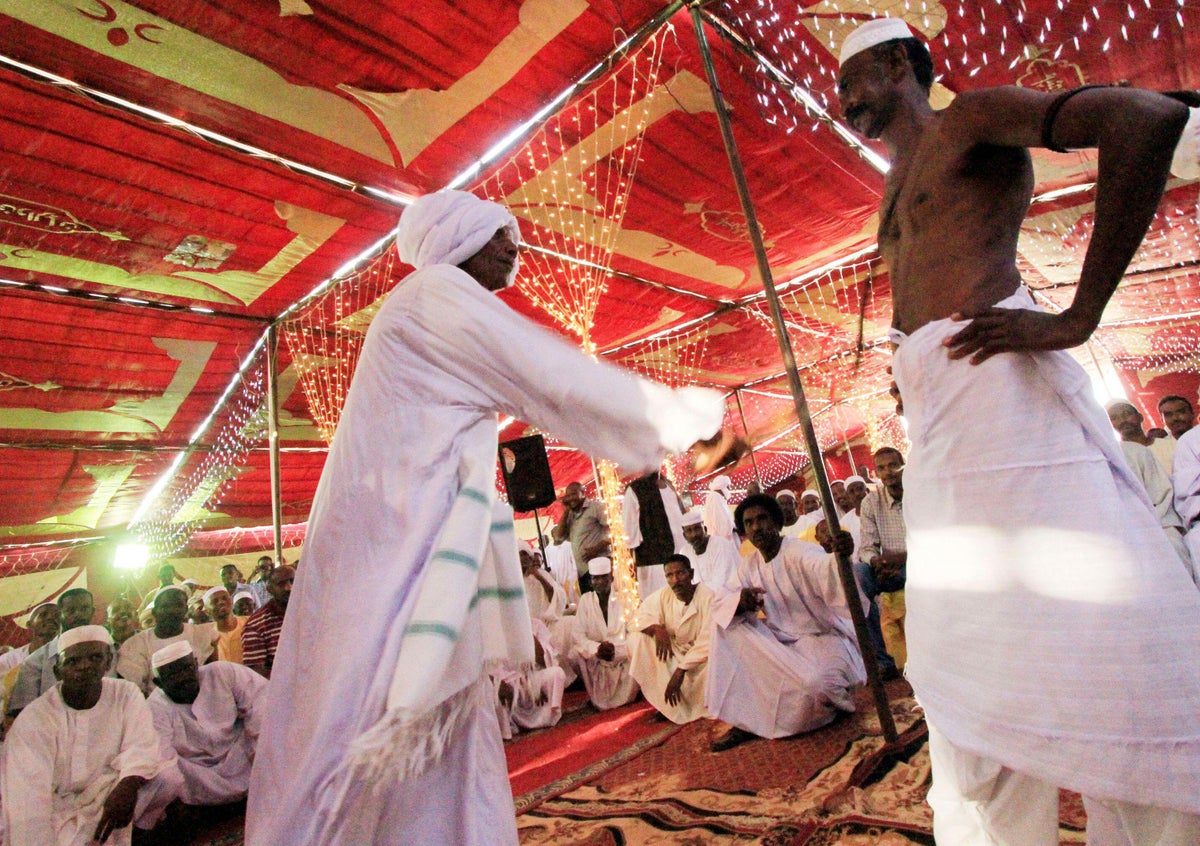
The usage of perfume is considered polite. The Humr Baqqārah and Fur peoples adhere to Islamic beliefs and practices, which came to them through Arab influence, and traditional local practices coexist. Two meals a day is the norm in Sudan.
The history of Sudan
Sudan is a country with a rich history and diverse culture. The people of Sudan have a long tradition of hospitality and generosity. Sudanese families hold strong traditional values and many customs represent a unified idea of Sudanese culture. For example, the 'tob' (a type of headdress) is worn by both men and women and is a symbol of Sudanese national identity.
The Sudanese people are also very generous and hospitable. When guests come to Sudanese homes they always welcome them in a friendly and hospitable manner.
Sudanese culture is also evident in the food and recipes of the country. Two meals a day is the norm in Sudan. The first meal, called 'fura', is usually taken early in the morning before going to work or school. The second meal, called 'wahda', is eaten in the evening after sunset. Both meals typically consist of rice or bread, vegetables, meat, and soup.
The geography of Sudan
Sudan is a country located in Africa, south of Egypt. It shares borders with Libya, Chad, the Central African Republic, and the Democratic Republic of the Congo. Sudan is a culturally diverse country, with many different traditional cultures. From everyday meals to formal socializing, such as weddings, Sudanese families hold strong traditional values.
The people of Sudan are very generous and hospitable, and always welcome guests in a friendly manner. Sudan has a rich history dating back to the Pharaonic period. The culture of Sudan is a melding of the behaviors, practices, and beliefs of about 578 tribes, communicating in 145 different languages. Whether Sudan is considered as one country or two, cultural diversity and ethnic complexity are among its most immediately striking features.
The people of Sudan
have a rich and unique culture that is based on many customs and traditions. One of the most important aspects of Sudanese culture is the importance of family. Families in Sudan are very close-knit and traditional values are very important to them. Another important aspect of Sudanese culture is the hospitality and generosity of the people. Sudanese people are very welcoming and hospitable to guests in their homes. They also have a strong tradition of gift-giving, which demonstrates their care and love for others.
The languages of Sudan
Sudan is a country with a great deal of cultural diversity. This is reflected in the various languages spoken by the people of Sudan. Arabic is the official language, but there are also many Nilotic and Nilo-Hamitic languages spoken in the south and Darfur. English was the official language before independence in 1956, but literacy levels are very low. It is therefore recommended not to use written material for health education or other purposes.
The dress code in Sudan is generally formal and conservative for both genders at all times. It is very important to look clean and fresh. The usage of perfume is considered to be polite.
The people of Sudan are very generous and hospitable. When guests come to Sudanese homes they are always welcomed in a friendly and hospitable manner. Within the local Sudanese population there is a great deal of cultural diversity, which makes it all the more interesting to learn about the culture and traditions of your clients, students or colleagues
Religion in Sudan
The Sudanese people are very religious, with the majority of the population identifying as Muslim. Sunni Islam is the predominant branch of Islam in Sudan, and many Sudanese people adhere to traditional Islamic beliefs and practices. However, there are also many indigenous religious beliefs and practices that coexist with Islam in Sudan. For example, many clans have their own totem, and animist beliefs ascribe spirits to natural objects such as trees, rivers, and rocks.
The dress code in Sudan is generally formal and conservative for both genders at all times. It is very important to look clean and fresh, and the usage of perfume is considered to be an important part of personal hygiene. Two meals a day is the norm in Sudan.
Comments
Post a Comment